
Happy Thanksgiving

Real Estate, Cooking, Crafts, DIY More
There are plenty of ways to cook a turkey, but brining seems to give me the most flavorful and delicious results. The process is more simple than you think:
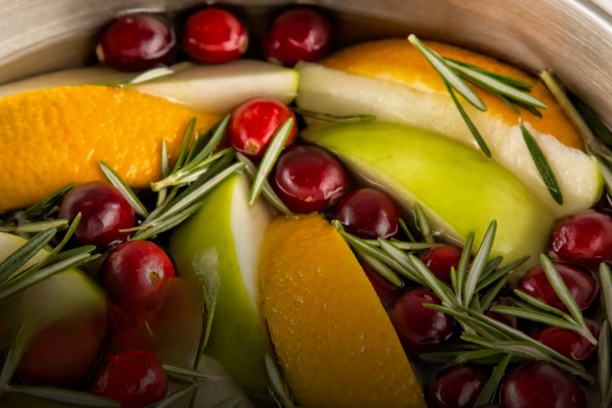
Instructions:
Tip: the brine is salty, so there’s no need to salt the turkey when you prepare for baking.
Some family traditions have relatives sharing ham, while others opt for turkey, prime rib or a meatless main course. Regardless of the choice, mastering the art of carving is important.
A few decades ago, the first Thanksgiving Dean and I shared, I wanted to show off my skills. I watched Martha Stewart carve the most beautiful roast turkey. I recorded her artistic carving on a VHS tape from a television show. I watched it, rewind, play, pause, rewind – I definitely felt ready, however that poor turkey didn’t stand a chance against me and our dull butcher knife. The following year we had purchased our first few professional knives, and Dean took over the carving.

Turkey Carving:
Cover the turkey loosely with foil and let it rest for a minimum of 30 minutes before carving. Employ a specialized carving knife designed for slicing. Maintain the bird’s tenderness by cutting the meat against the grain.

Bone-in Ham Carving:
Create a stable base by trimming one to two slices from the ham’s bottom. Employ a carving fork alongside a knife to ensure stability during the cutting process. Craft thick, uniform slices down to the bone, using the knife skillfully to release slices from the bone.

Beef Roast Carving:
Secure the carving fork beneath the top rib, and initiate horizontal slices. Glide through each slice with one or two smooth motions to prevent meat shredding. Utilize the knife’s tip to cut along the rib bone, freeing each slice with precision.
 Lora Knows Home