I love to do something different when marketing homes I’m listing. For 150 Saddlewood Lane in Statesville, NC, it has its very own song! 🎶
But instead of telling you all about it… turn up the sound and take the tour. You may just find yourself singing “Meet me on Saddlewood Lane…” right along with me. 😂
Creative marketing is one of the ways I help my listings get noticed. If you’re thinking about buying or selling a home in Statesville, Hickory or the NC Foothills, I’m always happy to help.
Okay, if you paint your own nails, this is one of those Amazon finds you need to know about!
I like to paint my own nails because I LOVE changing the colors. 💗 One week I might want something soft and pretty, and a few days later I’m ready for something completely different. 😂
But if I’m taking the time to paint them, I definitely don’t want my polish chipping the next day!
ORLY Bonder Rubberized Basecoat has become an absolute MUST for me. I put it on before my polish, and it seriously makes such a difference in how long my manicure lasts.
My polish doesn’t chip! 🙌
One little thing I make sure to do is brush the Bonder across the tips of my nails, too. That’s usually where polish wants to start chipping first, and since I started doing this, my polish stays looking good so much longer.
And I’m not talking about some complicated at-home manicure routine. 😂 I put on the Bonder, add my regular polish and top coat, and I’m done.
It’s simple, it works, and it has officially earned a permanent spot with all of my nail stuff.
Honestly, this may be one of my favorite Amazon finds yet. If you love having your nails polished but HATE when they start chipping after you just did them… try this stuff!
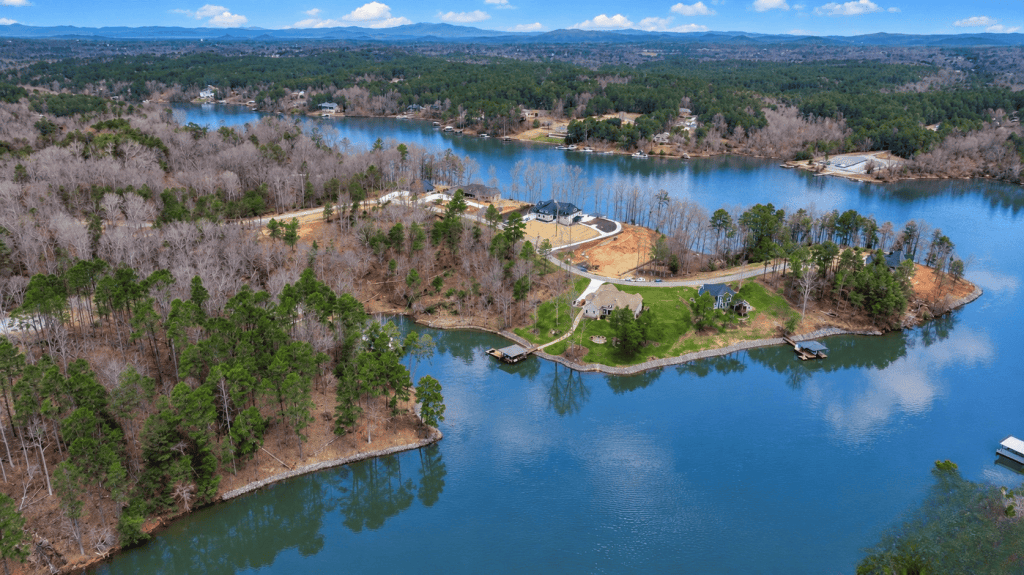
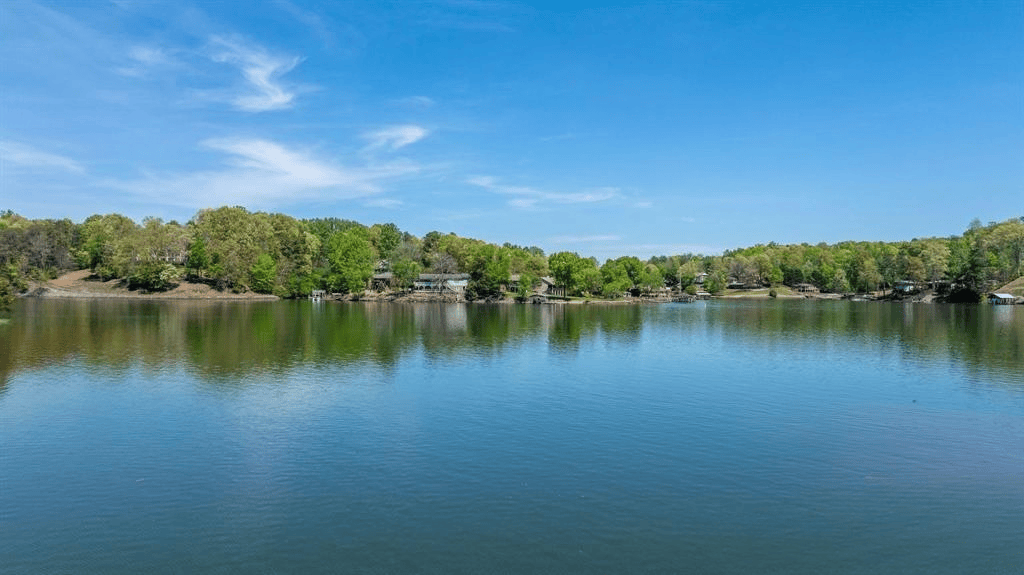
If living on the water is on your wish list, Lake Hickory is definitely worth a look. Beautiful views, boating, fishing, quiet coves and waterfront homes ranging from cozy to luxury make the lake a big part of what people love about the Hickory, NC area.
But buying a lake home is a little different from buying a home in a traditional neighborhood. Here are a few things to know before you start looking.
Not All Lakefront Is The Same
This is one of the first things I want buyers to understand.
One home may have wide-open water views, while another sits tucked into a quiet cove. Some properties have a fairly easy walk to the water, while others can be surprisingly steep.
And don’t just look at the view! Think about how you’ll actually use the property. If morning coffee on the dock, kayaking, fishing or keeping a boat at home is part of the dream, the waterfront itself matters just as much as the house.
Can You Have A Dock?
Don’t assume that waterfront automatically means you can build the dock you want.
Lake Hickory is part of Duke Energy’s Catawba-Wateree system, and certain shoreline activities, including docks and piers, are subject to shoreline management requirements and permitting.
If a property already has a dock, that’s something we’ll want to look into as part of your due diligence. If it doesn’t have one and a dock is important to you, we’ll want to find out what’s possible before you buy.
Remember, It’s a Working Lake
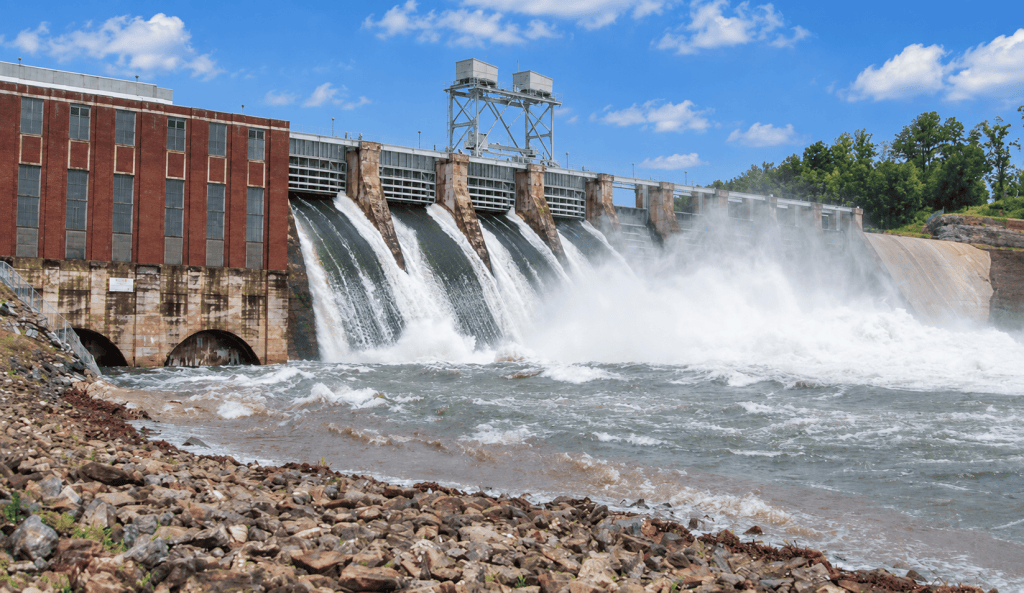
Lake Hickory is part of an interconnected hydroelectric system, so water levels can fluctuate due to weather, rainfall, drought and system operations.
That’s another reason to pay attention to the actual waterfront—not just how pretty everything looks in the listing photos.
A Few Extra Things To Check
In addition to your normal home inspection, lakefront buyers should take a closer look at the lot and shoreline.
Drainage, slope, retaining walls, shoreline condition, docks and other waterfront structures can all be important. You’ll also want to know whether the property is located in a flood hazard area and whether that could affect insurance or financing.
None of these automatically make a property a bad choice. You just want to know what you’re buying.
Thinking About Living On Lake Hickory?
When someone tells me they want a home on Lake Hickory, one of my first questions is what does lake living look like to you?
Boating? Fishing? A quiet cove? Big water views? A backyard that actually gets you to the water without feeling like you’ve completed a workout?
Those details help us narrow down which properties make sense for you.
If you’re thinking about moving to Lake Hickory or the Greater Hickory, NC area, I’m happy to help you explore what’s available and learn more about what you’re looking for.
I’m Lora Rousseau with Weichert Realtors in Hickory, and I help local and relocating buyers throughout Hickory and the surrounding Foothills of North Carolina.