Real Estate

Land For Your Dream Home

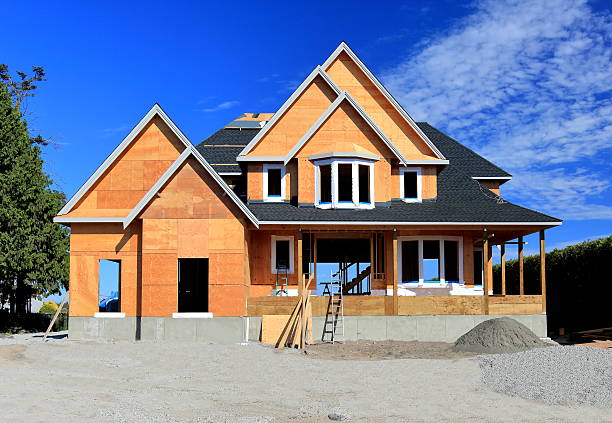
Before you dive into house plans or think about pouring a foundation, there’s one big step that comes first: finding the right piece of land.

Buying land is a little different than buying a move-in-ready home, and it comes with its own set of questions and things to think about. Whether you picture yourself tucked away in the woods or in a neighborhood that’s up-and-coming, here are a few steps to get you started.

Start with your vision
Before falling in love with a lot, get clear on what you want in a home and lifestyle. Do you want single-level or multi-story? A big yard for gardening? Mountain views or a shorter drive into town? Think about how you want to live day to day. If privacy and quiet are most important, rural land may be the way to go. But if you want walkability, schools, or community amenities, a developed neighborhood might suit you better. The clearer your vision, the easier it is to find land that fits.

Know the types of land
Not all land is “ready to build.” Raw land usually has no utilities, road access, or infrastructure in place. It can be cheaper up front but more expensive later when you add things like a septic system, well, or even power lines. Unimproved or improved land, on the other hand, is partially or fully set up with things like water, sewer, and electricity. It may cost more initially but often makes the building process faster and simpler.

A land survey and site evaluation are smart steps before you commit — they’ll give you a better idea of what’s possible and what extra costs you may face.
Check the rules
Zoning laws and restrictions can affect what you’re allowed to build. They might dictate the size or style of your home, whether you can add a guest house or garage, or even where you can park an RV. If you’re looking at a neighborhood with an HOA, be sure to check their rules, too, since they often control exterior finishes and design details.

Budget for more than just the lot
The purchase price is only part of the picture. You’ll also want to plan for site prep, utility hookups, permits, inspections, and possibly soil or environmental tests (especially on raw land). These extras can add up, so it’s smart to work with a local builder or land consultant to get a realistic idea of your total investment.

Bring in the right team
Buying land is more complex than buying a house, so having professionals in your corner is key. A real estate agent experienced in land sales can help you understand zoning, spot potential issues, and negotiate a fair price. An architect or builder can confirm whether the lot works for the kind of home you want. And before you move forward, talk with your lender — financing land and new construction is different from a traditional home loan.

With the right planning and team and me as your Realtor®, you’ll be set up for success in finding land that’s a true match for your dream home.
Real Estate

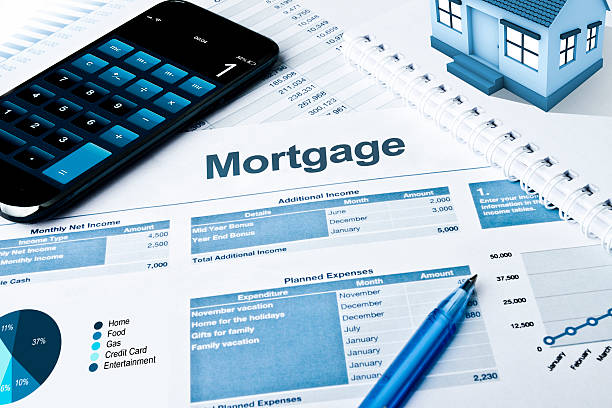
How Much Down Payment Do I Need?

Though 20% has traditionally been the ideal amount for a down payment, this simply isn’t the true standard.

In fact, according to the National Association of Realtors®, in 2022 first-time homebuyers put down an average of 6%, while repeat buyers typically put down an average of 17%.

Different loan programs come with varying down-payment requirements. The program that is best for you will be determined by how much you can afford. Whether you’re a repeat or a first-time homebuyer, the following guide can help you understand your options and discover the best one for your budget.

Conventional Loan
These are usually the most popular types of loans; each comes with varying requirements related to the amount of your down payment, income, and credit.

Conforming
As a general rule, the maximum amount you can borrow on a conforming loan is $726,200, though this limit can be higher in more expensive markets. Depending on your location, credit score, and home price, you can put down as little as 3%.

Nonconforming
If your home loan needs exceed the conforming loan limit, you must apply for a nonconforming one. This option necessitates a minimum of a 20% down payment, which may lead to a higher interest rate.

HomeReady
One of Fannie Mae’s more affordable loan programs, HomeReady is geared toward low-to-moderate-income buyers. It offers flexibility that other mortgages do not, as there are no income or location requirements, you can put down just 3%, and only one applicant needs to be a first-time homebuyer.

Government Backed Loans
These loans receive financial backing from the government and are designed to provide lenders with added security against payment defaults. This enables those lenders to offer lower interest rates to prospective borrowers, making it more affordable for lower-income households and individuals purchasing their first homes.

Federal Housing Authority (FHA) Loans
FHA loans are accessible in every state and accommodate various income levels. Eligible buyers can make down payments as low as 3.5%. Even individuals with limited or subpar credit history can potentially meet the criteria to obtain a loan.

United States Department of Agriculture (USDA) Loans
Supported by the US Department of Agriculture, this initiative primarily targets rural regions, assisting would-be buyers in acquiring a modest home. It provides several advantages, including 100 percent financing without a down payment (meaning there’s no down payment requirement) and lower interest rates. USDA loans are renowned for being the most cost-effective among all government-backed loan options.

The United States Department of Veteran Affairs (VA) Loans
Available in every state, these loans are available to active military personnel, armed forces, National Guard members, veterans, reservists, and qualifying surviving spouses. These loans offer 100 percent financing, reduced interest rates, and fewer associated fees.

How much is enough?
With such a wide range of programs, you have many options to choose from depending on your needs. However, as you embark on your homebuying journey, consider the advantages and disadvantages of having a lower down payment before you decide on the one that’s right for you.

Advantages

  1. You can buy a home sooner
  2. By paying less up front, you may be able to achieve your homeownership dreams quicker. With the escalating prices due to inventory shortages, you could save several thousand dollars.
  3. You can build home equity faster
  4. If you have been renting, it may be an ideal time to purchase a home so you can start building your own equity rather than your landlord’s.
  5. You won’t deplete your savings
  6. A lower down payment can mean reserving money for moving costs, repairs, and updates. You may also be better able to save for an emergency fund.

Disadvantages

  1. You’ll have a larger mortgage
  2. A smaller down payment means a higher principal amount, making it take longer to pay off. You’ll also have a greater monthly payment.
  3. Your interest rate will be higher
  4. Although you can save money up front, putting down the minimum will likely cost you more in the long run due to having a higher interest rate, which will further increase your monthly payments.
  5. You’ll pay private mortgage insurance – except if it is a VA Loan (this loan type does not have PMI)

Conventional loans require private mortgage insurance if your down payment is less than 20 percent. The precise amount hinges on your credit score and may fluctuate between 0.46% and 1.50% of the loan amount. These payments must continue until you’ve built up 20% equity in your home.

If you’re not able to put 20% down on a home, this doesn’t need to signify the end of your homeownership aspirations. Consult with a mortgage lender and your real estate agent to explore alternatives and identify the most suitable loan for your specific requirements.