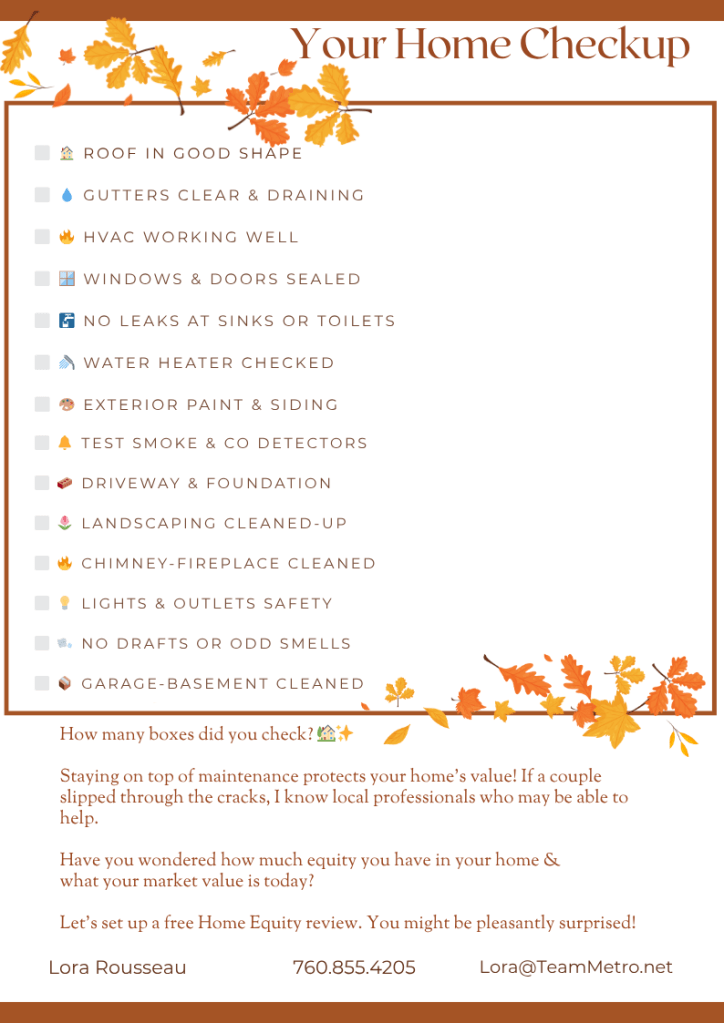
Think of your home like your favorite cozy sweater—it feels great when it’s in top shape, but a snag here or there and it just isn’t the same. Doing a little checkup goes a long way! 🍂🏡
My handy home checkup list isn’t all inclusive, but it can help you keep your house happy and healthy, from sniffing out sneaky leaks in the roof to making sure the smoke detectors aren’t napping on the job. Check your HVAC, peek at your plumbing, inspect your windows, and don’t forget those little things can make a big difference.
A few minutes now can save you headaches later—and who doesn’t love crossing tasks off a list and award yourself with a pumpkin spice latte. ✨
Please note this does not replace having a professional perform an inspection of all aspects of your home.
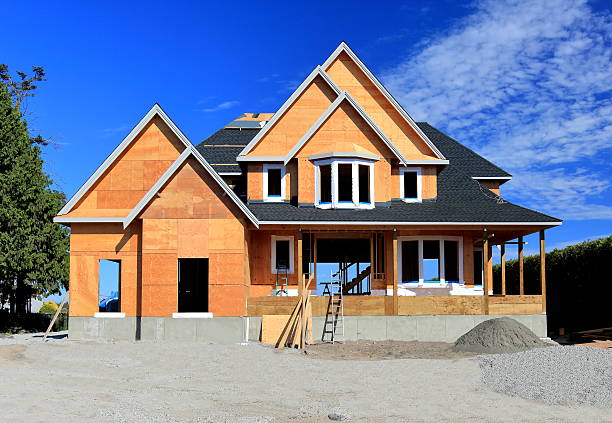
Before you dive into house plans or think about pouring a foundation, there’s one big step that comes first: finding the right piece of land.
Buying land is a little different than buying a move-in-ready home, and it comes with its own set of questions and things to think about. Whether you picture yourself tucked away in the woods or in a neighborhood that’s up-and-coming, here are a few steps to get you started.
Start with your vision Before falling in love with a lot, get clear on what you want in a home and lifestyle. Do you want single-level or multi-story? A big yard for gardening? Mountain views or a shorter drive into town? Think about how you want to live day to day. If privacy and quiet are most important, rural land may be the way to go. But if you want walkability, schools, or community amenities, a developed neighborhood might suit you better. The clearer your vision, the easier it is to find land that fits.
Know the types of land Not all land is “ready to build.” Raw land usually has no utilities, road access, or infrastructure in place. It can be cheaper up front but more expensive later when you add things like a septic system, well, or even power lines. Unimproved or improved land, on the other hand, is partially or fully set up with things like water, sewer, and electricity. It may cost more initially but often makes the building process faster and simpler.
A land survey and site evaluation are smart steps before you commit — they’ll give you a better idea of what’s possible and what extra costs you may face.
Check the rules Zoning laws and restrictions can affect what you’re allowed to build. They might dictate the size or style of your home, whether you can add a guest house or garage, or even where you can park an RV. If you’re looking at a neighborhood with an HOA, be sure to check their rules, too, since they often control exterior finishes and design details.
Budget for more than just the lot The purchase price is only part of the picture. You’ll also want to plan for site prep, utility hookups, permits, inspections, and possibly soil or environmental tests (especially on raw land). These extras can add up, so it’s smart to work with a local builder or land consultant to get a realistic idea of your total investment.
Bring in the right team Buying land is more complex than buying a house, so having professionals in your corner is key. A real estate agent experienced in land sales can help you understand zoning, spot potential issues, and negotiate a fair price. An architect or builder can confirm whether the lot works for the kind of home you want. And before you move forward, talk with your lender — financing land and new construction is different from a traditional home loan.
With the right planning and team and me as your Realtor®, you’ll be set up for success in finding land that’s a true match for your dream home.



 Lora Knows Home