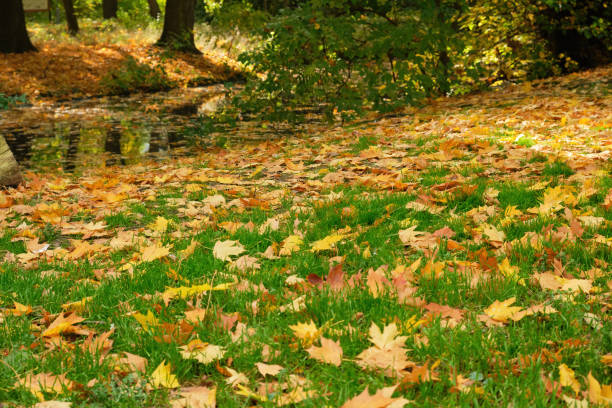
The beautiful colors of autumn leaves on trees is one thing, its another when they all fall to the ground and overtake your lawn. Cleaning them up can be tedious, but there are helpful tips that will make the task more efficient.
Leaf Removal
It’s a great idea to give your townhall a call to see if they have any leaf removal services. You can also use a lawnmower to mulch leaves, and then spread the mulch around your lawn to feed your grass, or put it on your garden to enrich the soil.
Leaf Raking
Raking leaves takes patience. It is best to wait until almost all the leaves have fallen, this way you don’t have to do it multiple times through the season. I read an article that suggested bending at your knees when picking leaves up, and when raking stand straight instead of hunching over.
Soon the days will grow shoter, the leaves will start to change colors, and the temperatures will cool down – all this will mean fall has arrived. Fall is a great time to do some home maintenance projects, here are a few to consider:
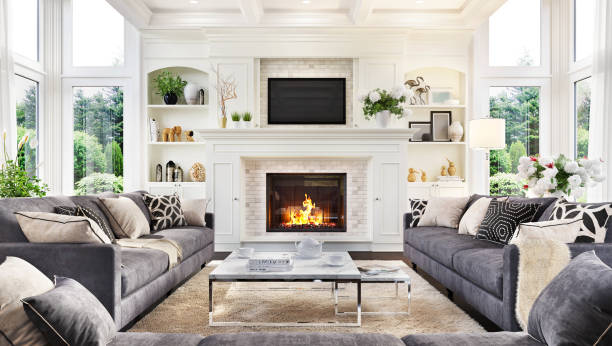
Prep Fireplace A good rule of thumb is to have your wood-burning fireplace checked by a professional chimney sweep once a year. A professional can clean the inside of your chimney to remove materials, such as soot and creosote, that are common causes of house fires. They’ll also check to make sure the chimney cap and damper are working correctly, as well as point out any masonry damage. If you have a gas or electric fireplace, this is a great time to clean it and make sure everything is good.
Clean Gutters Your gutters have the significant job of channeling thousands of gallons of water away from your home each year, but they can become clogged with everything from leaves to dirt, which may lead to water backing up onto your roof or inside your home. So, take time to inspect and clean your home’s gutters. You may want to wait until later in the season to perform this task to avoid leaves ruining your hard work, or you can install a mesh guard that will prevent leaves, twigs, and other large debris from creating blockages.
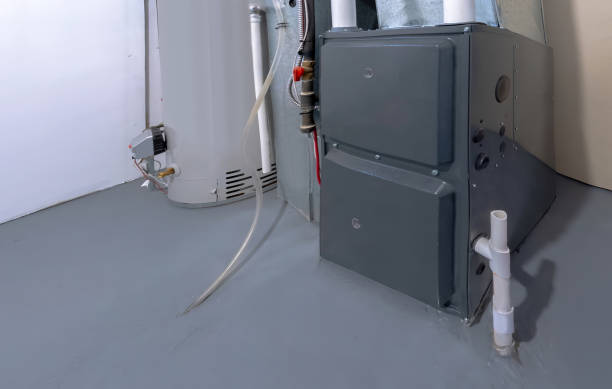
Prep Furnace With winter on the way, autumn is the perfect time to get your furnace ready for the colder months ahead. Make sure to change your furnace filter, as debris caught in the filter may reduce airflow and cause an energy deficiency. Fall is also a great time to have your heating system checked by a professional to ensure it’s prepared to run efficiently throughout winter.
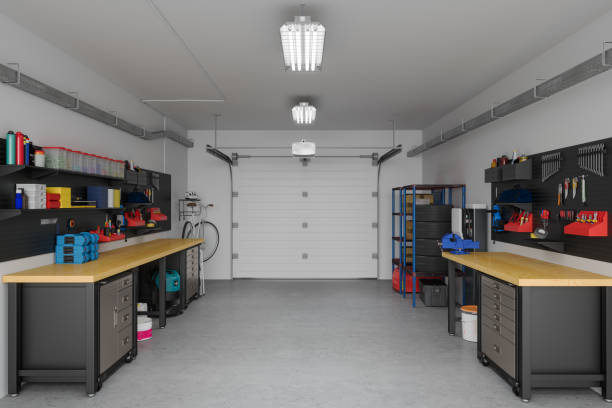
Organize Garage Your garage may become a catchall space for various outdoor items, including bikes, patio furniture, and lawn care equipment. However, you can avoid this clutter by organizing your garage. Make use of the wall space with cabinets and shelves to open up floor space. However, ensure any storage you install can sufficiently hold the weight of the items you’re adding. You can also use ceiling hooks to keep items like bikes out of the way.
If you think the rule of not wearing white after Labor Day still applies, think again. It’s acceptable to not only continue wearing white after the beginning of September, but to also decorate your interior space with white.
Soft white accents
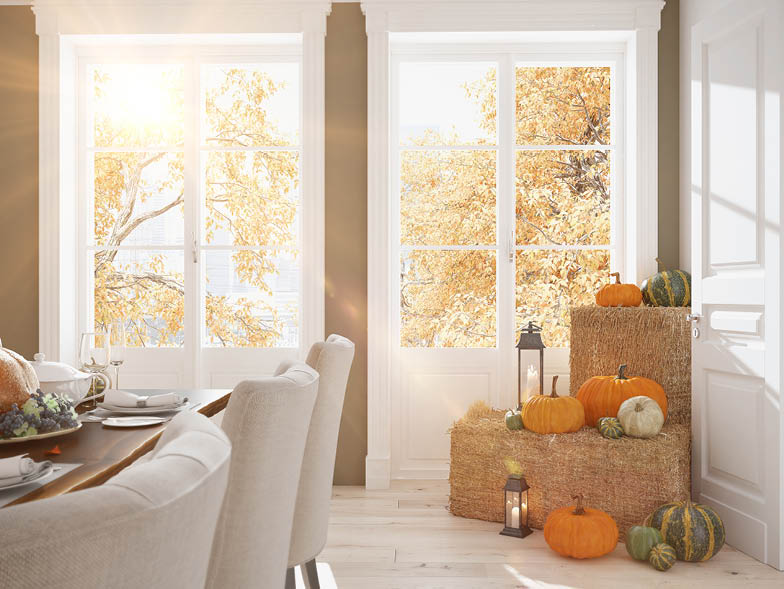
A neutral palette—any time of year—can instantly make your home brighter and more welcoming. If you still want to keep the autumn feel alive, add white gourds instead of orange. The options are endless for decorating with ivory and soft whites, making this the way to go for post-summer decorating.
Gallery wall
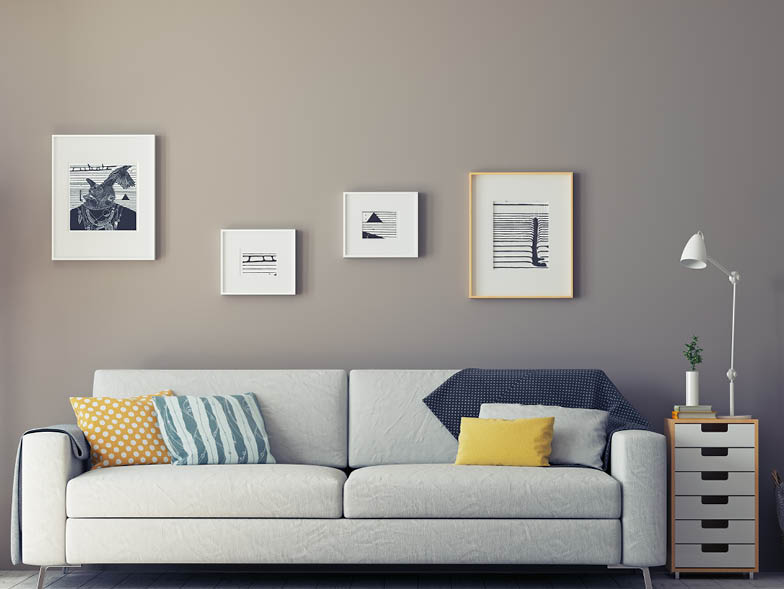
A black and white gallery wall could do wonders for your living room. It looks chic and clean, but still adds personality to the space. Stick with white frames with extra white space within the frame to keep the gallery wall minimalist.
Play around with textures
Too much white without texture can seem cold and boring. Research various wall textures to see if this is a viable option, or incorporate texture in other ways with throw pillows, accessories, and other decorative elements.
Don’t overdo it
It may seem impossible to overdo it with white—the most neutral color there is—but making your entire home white could have the opposite effect of cozy and lived-in. Still add splashes of color throughout your home, even if it’s just with centerpieces and other decor elements.




 Lora Knows Home