Daily Happenings, Real Estate

10 Home Things to Know

You’ve just gotten the keys to your new home. You already know when you’ll have your first dinner party, what you’ll do for flowers in the garden, and where you’re going to hang that perfect picture.

However, you should also take some time to meet your new home home and find out how it all works. Your ability to learn about your home will keep you from getting caught off guard should a problem come up. The quicker you can solve an issue can be the difference between an oops moment and an insurance claim.
Water Shut Off Valve
In a plumbing emergency, you’ll want to know how to quickly find this valve and turn it off; burst pipes and major leaks will require a speedy response to prevent damage to your house. Check for it in the basement first or near your hot water tank if you don’t have a basement.

Gas Shut Off Valve
If your appliances are supplied by natural gas, it’s crucial that you know where your main gas supply is located. In a single-family house, you can usually find it on the side or back of the house, by the gas meter.

Electrical Panel
Take a bit of time and label your circuits according to the room they are attached to in your home. This will save you energy and frustration should an outlet in your home stop working, you can go to the panel and try to reset that breaker before calling an electrician.

Appliances
Look over your various appliances and their manuals to make sure they’re in good shape and you know how to use them, especially if you are inheriting appliances as they may need servicing sooner. For your refrigerator, ensure the condenser coils are clean and free of dust. Dishwashers often have a filter at the bottom that should be cleaned regularly. You should also empty your dryer lint trap after every load. You should also have the vent from the dryer to the outside of your home cleaned out annually, for safety.

Light Fixtures
Whether it is recessed lighting, an entry hall chandelier, oven light or your sconces – having extra bulbs on hand is always a great idea. Take a minute and look around and make a list of bulbs you need. Have a place in your home to store the bulbs and replace as needed.

Smoke Detectors
The National Fire Protection Association suggests placing a smoke alarm inside each bedroom, outside each sleeping area, and on each level of your home. Make sure to install them at least ten feet from a cooking appliance to reduce the possibility of a false alarm when you get a little overzealous with your cooking. If smoke alarms are already installed in your home, check their expiration dates and test them to confirm they are working properly. Do they have a battery? Make sure you have these on hand, nothing is more annoying that that beep every 20 seconds when the battery needs replaced.

Fireplace
When the temperature drops and the nights get chilly, there is nothing like a cozy fire to snuggle up in front of. But cozy can quickly turn to a smoke fest if proper precautions are not taken. If it’s been over a year since your fireplace’s last inspection, schedule one to check that everything is in working order. Also, learn how to open and close the flue to make sure the smoke goes up and out the chimney properly.

Buried Utilities
Whether it is water lines, electricity, cable or something else – it is important to know where you can dig and cannot dig. There is a service, in most states, that will come out and mark these utilities for you, at no charge, simply by calling 811.

Property Lines
Do not think that your local GIS will show you the accurate property lines. They have a disclaimer on their site stating it isn’t 100% accurate. The truly know where your property ends and your neighbors yard begins is by getting a survey. Having a survey done during your purchase also gives an additional layer to your title insurance.

Real Estate, Style

Renovating – Have a Plan

Home renovations can be complex and challenging. Proper preparation is crucial for a successful project. Here are three key steps you should take during the preparation process to increase the likelihood of a successful home renovation:

  1. Define Your Goals and Budget:
  • Start by clearly defining your renovation goals. What do you want to achieve with this project? Whether it’s adding space, modernizing a room, or improving energy efficiency, having a clear vision is essential.
  • Determine your budget. Establish a realistic budget that takes into account all costs, including materials, labor, permits, and contingencies for unexpected expenses. It’s essential to have a financial plan in place to avoid overspending.
  1. Plan and Design Carefully:
  • Work with a professional architect or designer to create detailed plans for your renovation. They can help you make the most of your space, choose materials, and create a timeline for the project.
  • Obtain any necessary permits. Depending on the scope of your renovation, you may need permits from your local government. Ensure you have all the required paperwork in order before you begin construction to avoid potential delays and fines.
  • Create a project timeline. Develop a realistic schedule that outlines the order of tasks, from demolition to finishing touches. This will help you and your contractors stay on track.
  1. Choose Reliable Contractors and Suppliers:
  • Research and hire experienced, licensed contractors. Get recommendations, check references, and request multiple quotes. A trustworthy contractor is essential for the success of your renovation.
  • Select high-quality materials and products. The materials you choose will impact the durability and aesthetics of your project. Invest in reliable, long-lasting products that align with your budget.
  • Communicate effectively with your contractors. Maintain open and clear communication throughout the project. Discuss any changes or concerns promptly to avoid misunderstandings and delays.

In addition to these three key steps, it’s important to be flexible and expect the unexpected during the renovation process. Delays, unforeseen issues, and design changes can occur. Having a contingency plan and some extra funds set aside for such situations is advisable.

Overall, a well-thought-out plan and careful preparation are key to a successful home renovation. When you take the time to define your goals, create detailed plans, and work with reliable professionals, you increase the chances of achieving the results you desire while staying within your budget and timeline.

Real Estate

Selling Your Home in the Fall

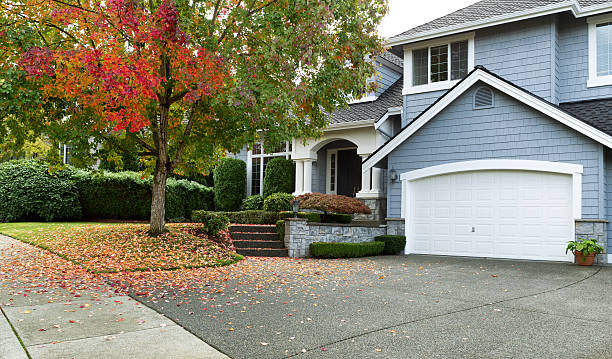
As the leaves begin to change and the crisp Autumn air settles in, a homeowner may wonder if the Fall is the right time to sell their home. While Spring and Summer are thought of as peak seasons for real estate, selling in the Fall can be a smart and strategic choice. Let’s explore the advantages of selling in the Fall, plus I’ll share some tips for making the most of the season.

Curb Appeal in Full Bloom

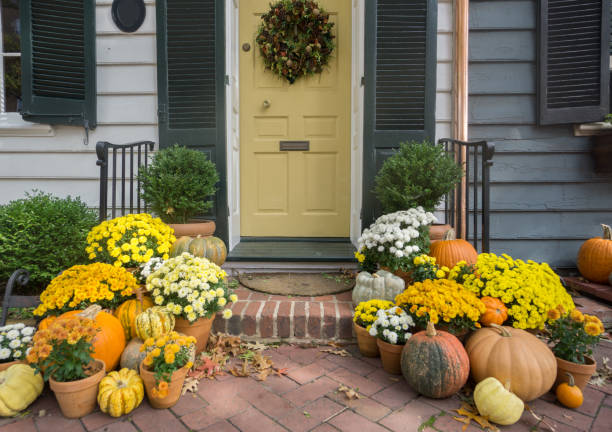
One of the undeniable benefits of selling your home in the Fall is the stunning display of colors that nature provides. Consider planting fall flowers like mums and asters, and decorate your porch with pumpkins and seasonal wreaths to create a warm and welcoming atmosphere for potential buyers.

Comfortable Weather

Fall weather has milder temperatures, making it more comfortable for both buyers and sellers. Unlike the scorching heat of Summer, Fall provides the perfect backdrop for showcasing your home. Buyers are more likely to linger and explore your property when they’re not battling the hot sun and sweat.

Serious Buyers

While Spring and Summer may attract more casual house hunters, those searching for a new home in the Fall are often more serious about making a move. Many buyers aim to complete their transactions before the holiday season and the end of the year, which means they are motivated and focused. This can lead to quicker sales and potentially more favorable offers.

Less Competition

With fewer sellers putting their homes on the market in the Fall, your property may stand out more among the available listings. Buyers have fewer options to choose from, increasing the chances of your home receiving more attention. This reduced competition can sometimes result in a better sale price.

Showcase Cozy Features

Fall is the perfect time to highlight the cozy aspects of your home. Consider lighting a fire in the fireplace, arranging warm blankets on the couch, and brewing a pot of cider or coffee for potential buyers during open houses. Creating a comfortable and inviting ambiance can help buyers envision themselves enjoying the home during the colder months.

Challenges to Consider

While selling your home in the Fall has its advantages, there are also some potential challenges to be aware of:

Fading Daylight: With shorter daylight hours, it’s important to schedule showings and open houses during optimal times to showcase your home in the best light.

Yard Maintenance: Falling leaves can create additional yard maintenance tasks. Regularly clean up leaves and keep walkways clear to ensure your property looks well-kept.

Holiday Distractions: The holiday season can be a busy and distracting time for both buyers and sellers. It’s important to strike a balance between decorating for the season and keeping your home presentable.

Selling your home in the Fall can be a wise decision, given the unique advantages this season offers. With its beautiful foliage, comfortable weather, and motivated buyers, the Fall real estate market can be a lucrative opportunity for those looking to sell their homes. By embracing the season and working with a knowledgeable real estate agent, like me, (Lora Rousseau with Weichert, Realtors® – Team Metro), together we can successfully navigate the Autumn market and secure a sale that leaves both you and the buyer happy!