
Entertainment, Family, Reading

Summer Fun At Home

Summer is a great time to take a vacation, but the majority of us can’t be gone for three months. Here are half a dozen ideas of things to do at home that will make time at home fun!

Have a Backyard Picnic

Picnics don’t have to be elaborate or have an Instagram-worthy charcuterie board. You can prepare whatever meal or snack you like and simply take it outside. Lay out some blankets and pillows in the backyard to create a comfy spot for you and your loved ones. You can even have a late-night picnic and spend some time stargazing.

Read a Book or Two

Summer is the perfect time to read a book you’ve had sitting around – why not pour a glass of your favorite beverage and sit in your comfy outdoor chair and enjoy some quiet time. My Mom always told me – “You can be any one, any where, and at any time in history in a book”. Why not travel through the pages while being at home?

Try New Recipes

Between TikTok and Instagram, new recipes are being shared daily. Look for something new that looks yummy and get the freshest ingredients from your local produce stand or farmers market.
Do a Craft

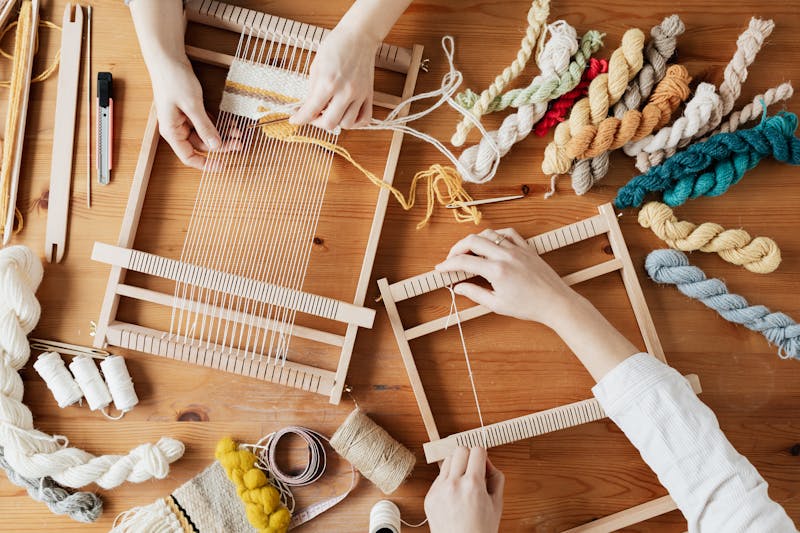
Do you have a Pinterest account? If you do, I bet you have some DIY projects you’ve been meaning to do and just haven’t done. Crating can be a fun, productive way to spend some summer hours. You can even share this time with loved ones and see what they can create too.

Build a Fort and have a Movie Marathon

Who doesn’t love a fort? Who doesn’t love a movie? Mix them together and it can be a fun filled evening! Get out those sheets, throw pillows and whatever else you want to use to create your one of a kind fort movie theater. I always think twinkle lights add the finishing touch. Don’t forget the popcorn!

No matter what you do to fill the summer hours, I hope you enjoy your time.

Family

Home Emergency Kit Essentials

One of the best ways to improve your household’s safety is to focus on preparation. If disaster strikes, your household could be without power and running water for an extended period of time. That’s why having an emergency kit filled with supplies is an essential home safety measure.

Remember, when packing your emergency kit, disasters can be different throughout the country. Depending on where you live, you could face flooding, blizzards, tornadoes, or hurricanes, so make sure you make your emergency kit personalized to your location.

Food and Water

During a crisis, you may not have access to basic necessities like clean water and food, so make sure you have a supply of these items available. According to the Red Cross, you should keep one gallon of water per person per day. You may also want to pack portable water filters designed to remove waterborne bacteria, parasites, and microplastics from water. When it comes to food, the Red Cross suggests keeping nonperishable, easy-to-prepare items handy. If you’re packing canned food, make sure you have a manual can opener in your emergency kit. You should have a three-day supply of both food and water for evacuation situations and a two-week supply for if you’re sheltering in place.

First-Aid Kit
A well-stocked first-aid kit can help you get through an emergency. You should regularly check your first-aid kit and replace any of the contents that have expired. You can buy a premade first-aid kit, or you can put one together yourself with the following items:

  • Adhesive bandages
  • Gauze pads
  • Adhesive tape
  • Roller bandages
  • Antibiotic ointment
  • Scissors
  • Tweezers
  • Cold pack
  • Antibacterial wipes
  • Thermometer
  • Antiseptic spray
  • Latex gloves
  • Eyewash
  • Emergency blanket

Other Basics
You should consider stocking up on several additional supplies that can help keep your household safe and sound. This list includes:

  • Prescription Medications: Have a seven-day supply available.
  • Nonprescription Medications: Keep over-the-counter medications.
  • Personal Hygiene: Soap, toothpaste, and feminine products are all necessities.
  • Power Banks: A rechargeable power bank can help keep your phone charged.
  • Change of Clothing: Each household member should have at least one extra pair of clothes.
  • Flashlight: One for each member of your family.
  • Radio: A battery-powered or hand-crank radio can help keep you informed.
  • Batteries: You should cache a supply of batteries for radios, flashlights and other items.
  • Bedding: Pillows, blankets, and sleeping bags can help your household stay comfortable.
  • Personal Documents: Medical info, passports, insurance policies, birth certificates & more.
  • Pet Supplies: Don’t forget to stock up on items for your pets.
  • Map of the area: If you evacuate, a map can help you navigate your way to safety.

You never know what you’ll face in an emergency, so, depending on where you live, these items can be helpful to keep with your kit.

  • Cash
  • Waterproof matches
  • Rain gear
  • Life raft
  • Fire extinguisher
  • Tent
  • Flares
  • Hand warmers
  • Work gloves
  • Tools (hammer, pliers, screwdrivers, wrench, shovel, axe, utility knife)
  • Needle and thread
  • Plastic sheeting
  • Duct tape
  • Dust masks
  • Entertainment (games and books)

By taking some time to focus on preparation, you can help increase your chances of safely making it through a crisis.