I'm Lora, and the posts you will find here are inspired by the people I love and my daily life. I hope you enjoy browsing through my recipes, and reading about my life as a real estate agent, DIY wannabe, and wife of a retired Marine.
Wooden utensils aren’t just practical kitchen tools—they double as beautiful décor that adds warmth and natural charm to your space. With the right care, they can stay strong and stunning for years. Whether yours are crafted from maple, walnut, cherry, or even bamboo the tips below will help keep them both durable and clean.
Never put wooden utensils in the dishwasher—the heat and detergents strip away oils, leaving the wood dry, cracked, and unsafe. Don’t let them soak, either; too much water does the same damage.
Instead, wash them by hand right after use with warm water, mild soap, and a soft sponge. Skip harsh scrubbers that can scratch the surface. For big pieces like butcher blocks, a wood-safe spray cleaner does the trick.
Once clean, rinse well, towel-dry, and let them air-dry upright. Keep them out of direct sunlight, and store cutting boards on their edge so moisture doesn’t get trapped.
Sanitize Beyond everyday cleaning, it’s smart to sanitize wooden tools from time to time. Cutting boards, in particular, need extra attention since knife marks create tiny hiding spots for bacteria. One simple method is mixing one part hydrogen peroxide or white vinegar with four parts water, then soaking the wood for five to ten minutes before rinsing. For a quicker option, try a ready-made disinfectant spray designed for wood cutting boards—follow the bottle directions.
Oil Wood, like skin, needs a little moisturizing to stay healthy. Conditioning your utensils with food-safe mineral oil or a specialized wood butter every few weeks helps prevent cracking, keeps them smooth, and brings out their natural grain. Think of it as giving your kitchen tools a spa treatment—they’ll thank you with years of reliable service.
No More Stains or Smells
Even with regular washing, wooden tools can develop stains or lingering smells. Luckily, there are easy fixes. One option is to mix equal parts baking soda and water, scrub it onto the surface, and let it sit a few minutes before rinsing. Another classic method is to sprinkle coarse salt on the wood, then rub it with the cut side of a lemon. Let it rest briefly, rinse thoroughly, and your utensils will be refreshed.
Keep in mind, wooden kitchen tools don’t last forever. If you see deep cuts, cracks, or any signs of mold or mildew, it’s best to replace them to keep your food safe.
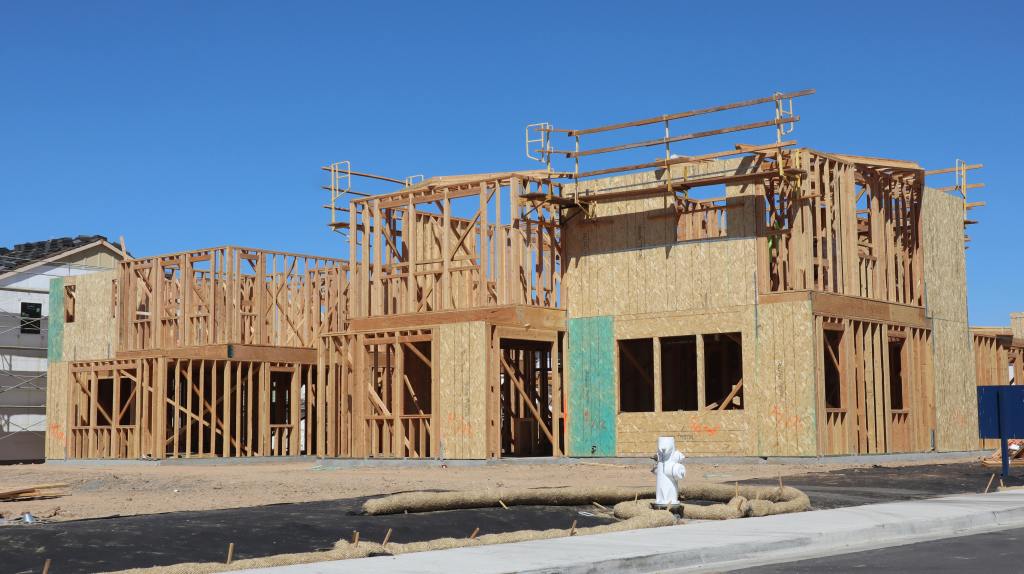
Before you dive into house plans or think about pouring a foundation, there’s one big step that comes first: finding the right piece of land.
Buying land is a little different than buying a move-in-ready home, and it comes with its own set of questions and things to think about. Whether you picture yourself tucked away in the woods or in a neighborhood that’s up-and-coming, here are a few steps to get you started.
Start with your vision Before falling in love with a lot, get clear on what you want in a home and lifestyle. Do you want single-level or multi-story? A big yard for gardening? Mountain views or a shorter drive into town? Think about how you want to live day to day. If privacy and quiet are most important, rural land may be the way to go. But if you want walkability, schools, or community amenities, a developed neighborhood might suit you better. The clearer your vision, the easier it is to find land that fits.
Know the types of land Not all land is “ready to build.” Raw land usually has no utilities, road access, or infrastructure in place. It can be cheaper up front but more expensive later when you add things like a septic system, well, or even power lines. Unimproved or improved land, on the other hand, is partially or fully set up with things like water, sewer, and electricity. It may cost more initially but often makes the building process faster and simpler.
A land survey and site evaluation are smart steps before you commit — they’ll give you a better idea of what’s possible and what extra costs you may face.
Check the rules Zoning laws and restrictions can affect what you’re allowed to build. They might dictate the size or style of your home, whether you can add a guest house or garage, or even where you can park an RV. If you’re looking at a neighborhood with an HOA, be sure to check their rules, too, since they often control exterior finishes and design details.
Budget for more than just the lot The purchase price is only part of the picture. You’ll also want to plan for site prep, utility hookups, permits, inspections, and possibly soil or environmental tests (especially on raw land). These extras can add up, so it’s smart to work with a local builder or land consultant to get a realistic idea of your total investment.
Bring in the right team Buying land is more complex than buying a house, so having professionals in your corner is key. A real estate agent experienced in land sales can help you understand zoning, spot potential issues, and negotiate a fair price. An architect or builder can confirm whether the lot works for the kind of home you want. And before you move forward, talk with your lender — financing land and new construction is different from a traditional home loan.
With the right planning and team and me as your Realtor®, you’ll be set up for success in finding land that’s a true match for your dream home.